What Is a Motif? A Clear Guide for Surface Pattern Designers
A motif is the smallest unit of decoration in a pattern: the single leaf, shell, bee or abstract shape that gets drawn once and then repeated to build something larger. Get comfortable with that idea and surface pattern design becomes far less mysterious, because the repeat, the rhythm and the finished wallpaper all grow out of one small drawing.
What counts as a motif?
A motif is a self-contained shape, or a small group of marks that reads as one shape. It can be representational — a thistle, a paisley teardrop, a stylised bird — or abstract, such as a chevron, a curved dash or a tight cluster of dots. It can be painted with a brush, carved into a woodblock, cut from paper, stamped, or built stitch by stitch. What makes it a motif is not its style but its job: it is a unit, designed to be used more than once.
Scale is flexible. The same tulip can be a five-centimetre focal point on a tea towel or a five-millimetre speck in a dense floral print. What matters is that it still reads as itself at the size you intend. Some motifs repeat very little — a single emblem centred on a cushion is a motif used once — but in pattern design a motif earns its keep by repeating.
Motif or pattern? The difference that trips people up
A motif is a thing. A pattern is an arrangement of things. One tulip is a motif; a field of tulips laid out in a half-drop repeat across a metre of fabric is a pattern. Words and paragraphs work the same way: the word carries meaning, while the paragraph carries rhythm, spacing and structure. It is that structure which makes a fabric read as a design rather than a scattering of drawings.
A pattern might use a dozen different motifs or only one. Stripes and checks are patterns built from the simplest motifs there are: a line and a square. The muddle usually starts in shops and pattern libraries, where a large single motif on a scarf gets called a print, and where individual elements are sold as motifs while the tiled artwork is sold as the pattern. Both habits are harmless once you know which of the two you are looking at — and, more importantly, which one you are drawing.
Motifs in textiles, wallpaper and crafts
Textiles
Look closely at a block-printed floral and you will find the same carved shape pressed again and again, with the small variations between impressions doing half the work. Fair Isle knitting is a lesson in economy: one small motif, often eight or ten stitches wide, repeated in bands across a yoke. Even a plain checked shirt is a grid of simple line motifs.
Wallpaper
William Morris designs are built from a handful of motifs — an acanthus leaf, a bird, a stylised flower — drawn once and then arranged on a repeat that carries the eye upward. Damasks work differently, using a single symmetrical motif mirrored across the drop so that it fills the wall without ever quite showing its seams.
Crafts
The crochet granny square is a motif; a blanket is the pattern. In cross-stitch, each charted shape is a motif placed on a grid. Quilters cut one appliqué shape — a leaf, a hexagon, a bird — and repeat it across a quilt top. Stampers carve or buy a single motif and build a sheet of wrapping paper from it in an afternoon.
What makes a motif work
Whether you draw by hand or on screen, the same few qualities separate a motif that holds up in a repeat from one that falls apart:
- A readable silhouette. If the shape turns to mush at two centimetres, simplify the outline before you add anything else.
- Consistent line weight. Wobbling between thick and thin reads as an accident unless the variation is clearly deliberate.
- Value contrast. The motif should separate from its background in tone, not only in colour, or the repeat will look flat from a distance.
- Restraint with detail. Two or three internal marks usually beat twenty. Anything that disappears at final size is clutter.
- Edge awareness. If the motif will tile, decide now what happens where it meets the edge of the tile.
- Breathing space. The gap around a motif is part of the design, not leftover room.
Turning one motif into a repeat
- Draw the motif once and clean it up. Aim for the simplest version that still says what it needs to say.
- Choose a repeat structure: a straight grid, a half-drop (every other column shifted down), a brick offset, a tossed scatter, or a mirrored layout.
- Build the tile. Place the motif, copy it into the opposite corners, then check the seams where the edges meet.
- Test at real size. Print or view the repeat at the size it will actually be used — a 30 cm wallpaper repeat looks very different on screen.
- Convert it to greyscale. If the design still holds up in black and white, the colour is doing its job rather than hiding weak shapes.
Mistakes that weaken a motif
The most common problems are small and fixable: too much detail, angles that drift by a few degrees so the repeat looks untidy, and shapes that stop short of the tile edge and leave an unintended gutter. Scale causes trouble too — a motif drawn for a phone case will look lost on a curtain. If a design feels wrong but you cannot say why, shrink it, grey it out and squint. Weak shapes show up fast that way.
Start with one motif
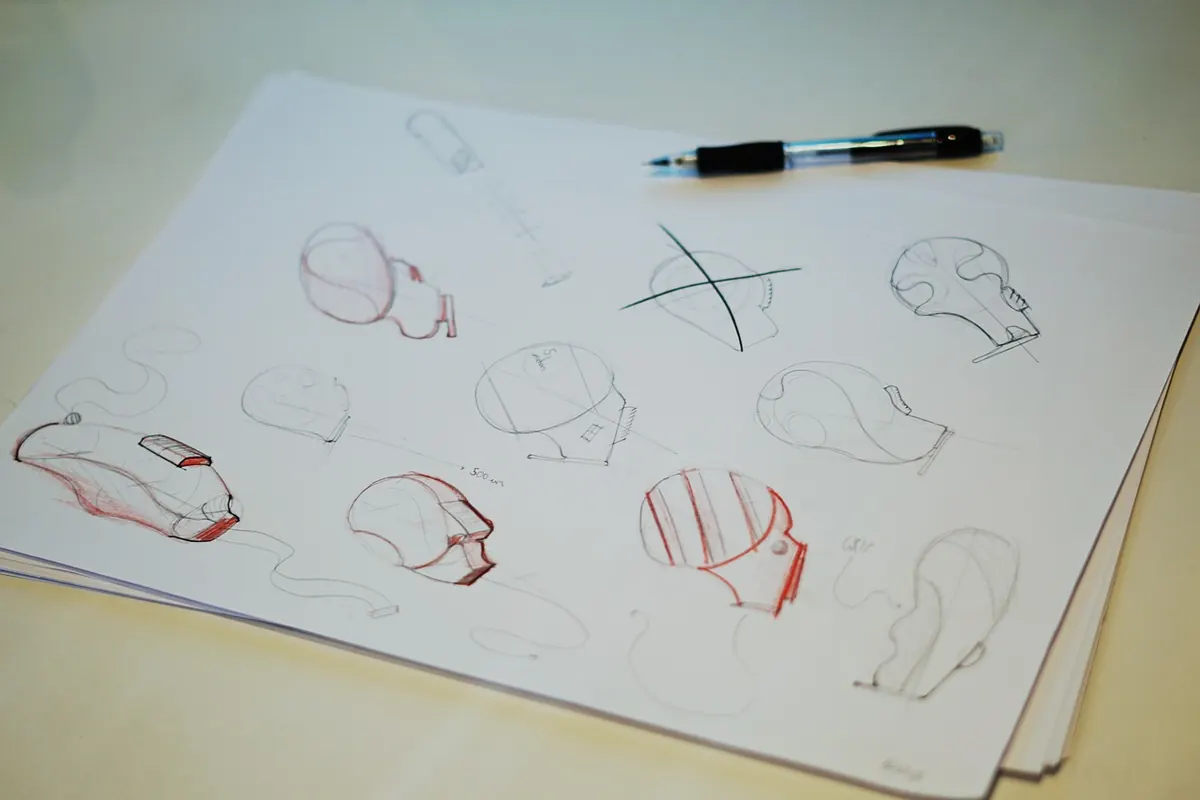
Pick something you can see right now — a leaf from a houseplant, the handle of a mug, a shell, a chipped tile. Draw it
Photo: Thor_Deichmann / Pixabay
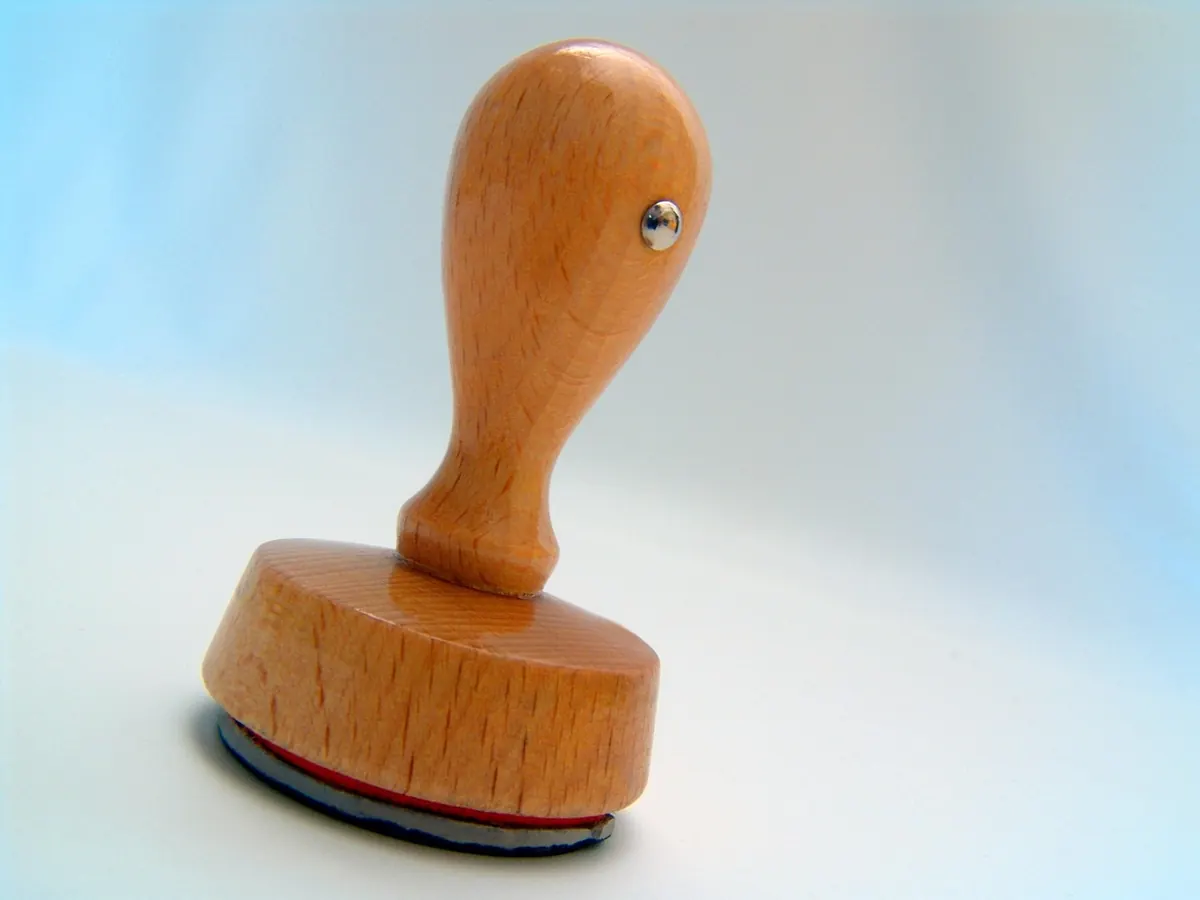
How to Carve Rubber Stamps for Repeating Motifs on Fabric
Carve a simple rubber stamp, load it with fabric ink and print evenly spaced repeats onto cotton or linen...
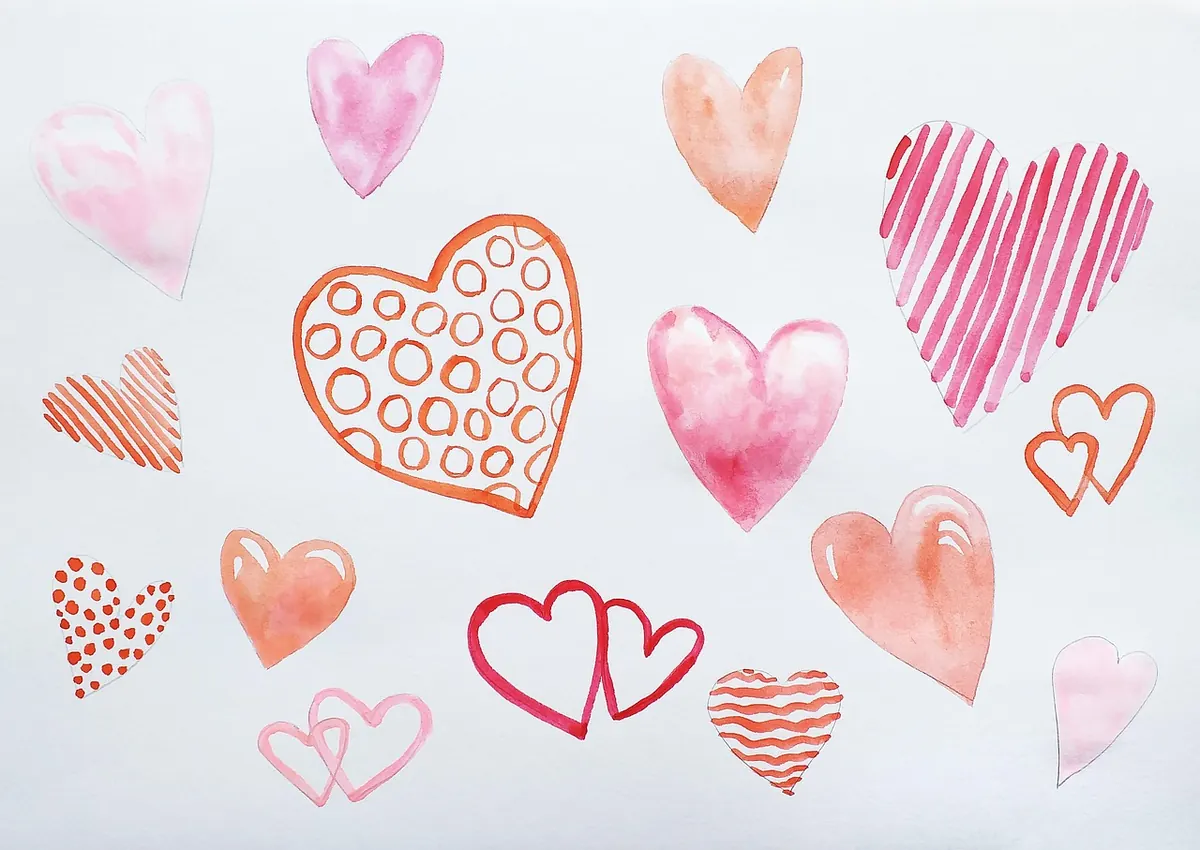
Motif vs Pattern: What's the Difference in Surface Design?
A motif is a single self-contained shape; a pattern is what you get when repeats, layout, scale and colour...
About Us